
Description
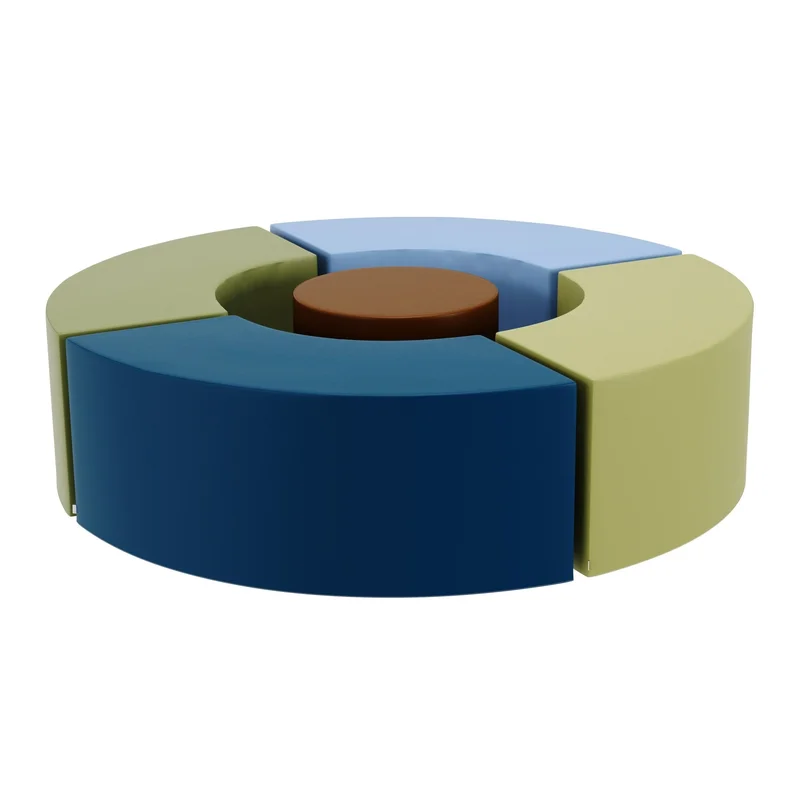
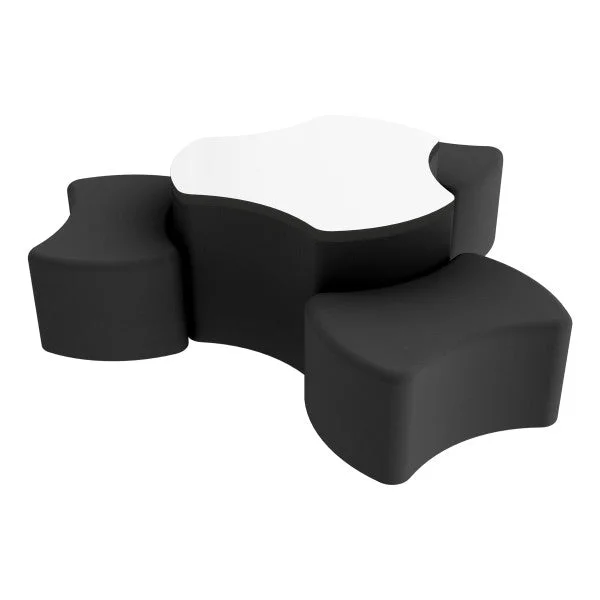
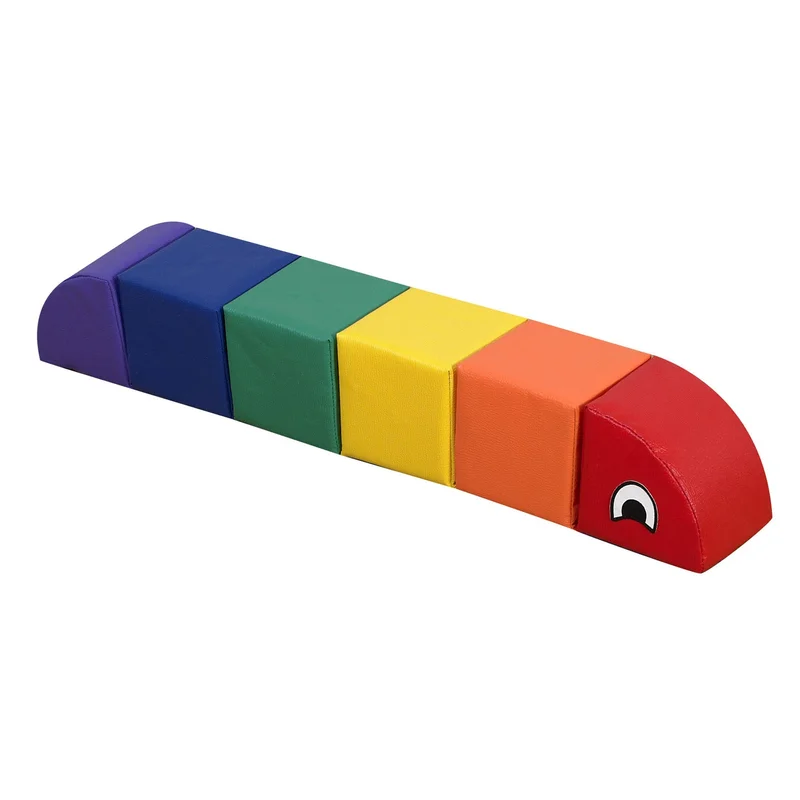
Modern modular furniture can significantly influence a child’s learning by fostering social interaction and collaboration. Unlike traditional, fixed furniture, modular designs are flexible and can be reconfigured to support various group activities. This adaptability encourages students to work together on projects, solve problems as a team, and communicate their ideas effectively. By creating a physical environment that prioritizes face-to-face interaction, these furniture solutions help children develop essential social skills, such as negotiation, compromise, and empathy. This collaborative approach to learning offers a valuable alternative to relying solely on the internet for information, helping to “reboot” their learning process and build a foundation of interpersonal skills crucial for future success.Furthermore, the integration of social and inclusive furniture represents a strategic investment in the success of future generations. By designing learning spaces that are dynamic and responsive to different activities, educators can create a more engaging and student-centered environment. This type of setting not only enhances academic outcomes but also cultivates a sense of community and belonging among peers. The ability to easily rearrange furniture for small group discussions, large collaborative projects, or individual work allows for a more personalized and effective learning experience. Ultimately, by providing children with opportunities to practice teamwork and social skills in a supportive setting, modular furniture helps them become more well-rounded individuals, prepared to thrive in a world where collaboration and communication are highly valued.
Reviews
There are no reviews yet.